Airports today aren’t what they used to be—and that’s the point.
Formerly a place to simply take off and land while getting from point A to point B, a successful airport is now a customer-centric, community hub fueled by developing technology and innovation. From advanced air mobility—drones and electric vertical take-off and landing (eVTOL) aircraft—to the challenges and opportunities created by the emergence of artificial intelligence (AI), the aviation industry is positively turbulent.
To navigate such volatility and propel the industry forward, aviation professionals rely on professional associations, such as the American Association of Airport Executives (AAAE), Airport Consultants Council (ACC) and Airports Council International – North America (ACI-NA).
While each has a focus, together, these organizations represent some of the industry’s most prominent players in airport operations, policy and advocacy, infrastructure and development, consulting, technology and finance. They champion innovation, foster collaborative industry networks, spearhead pivotal endeavors—and are all currently led by Florida Tech alumni:
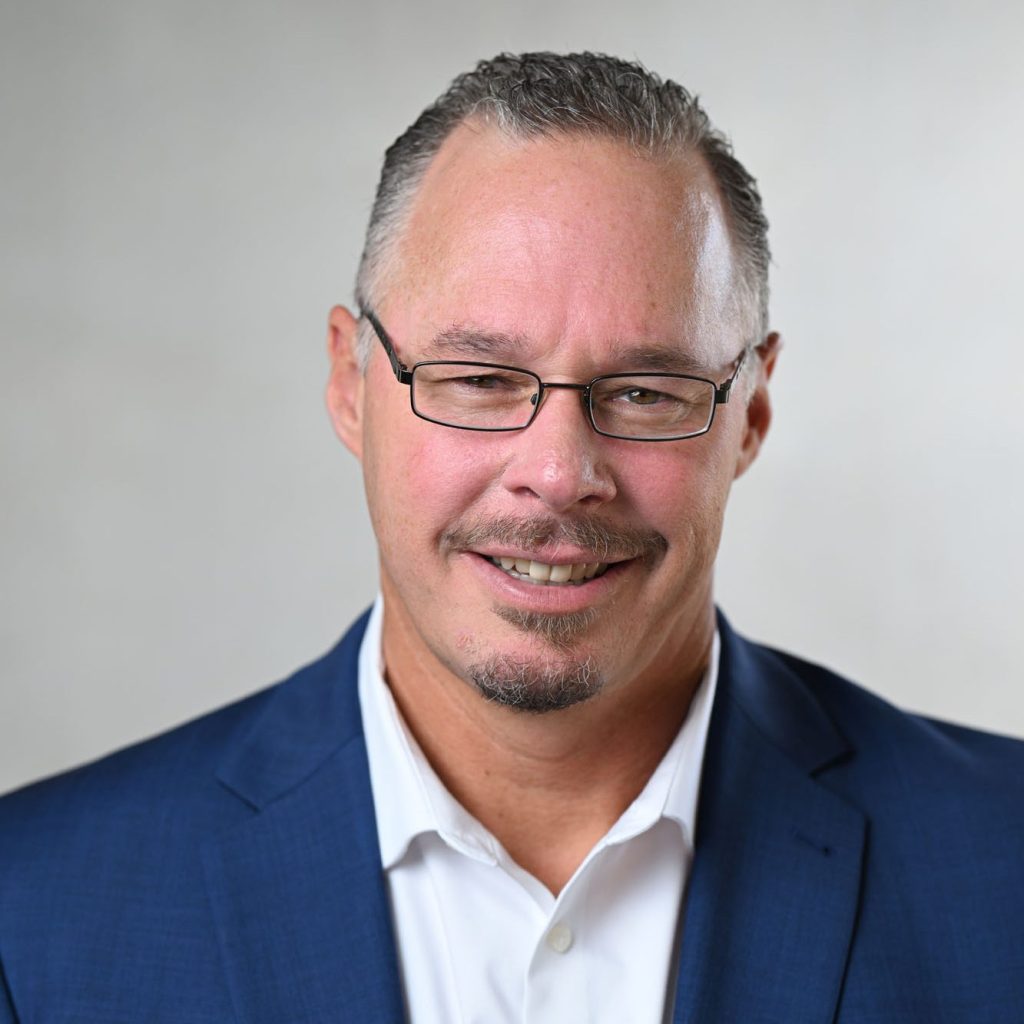
FIN BONSET ’96, ’99 MSA
AECOM, Vice President, Aviation Planning and Advisory Services
ACC, Chair
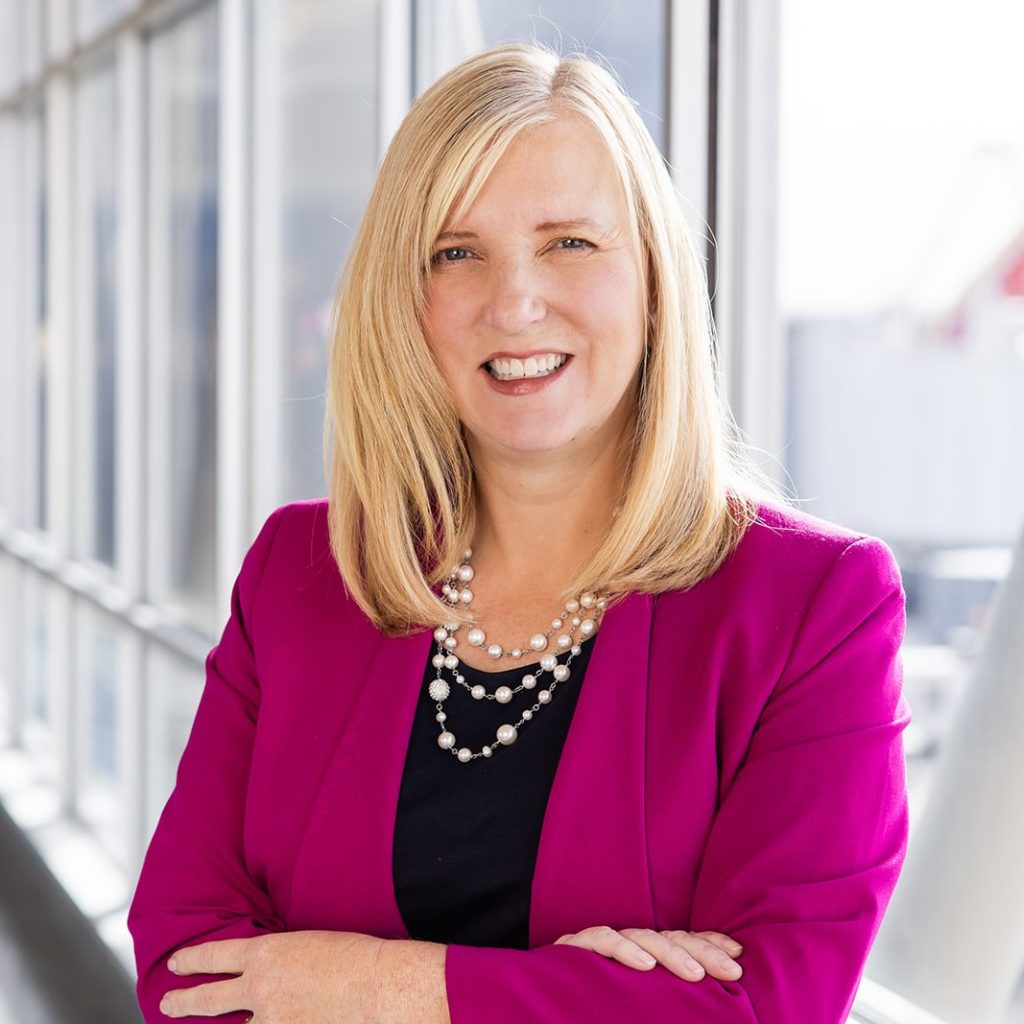
REBECCA HUPP ’92
Austin Commercial, Vice President of Aviation
AAAE, Immediate Past Chair

JASON TERRERI ’01
Syracuse Regional Airport Authority, Executive Director
ACI-NA, Vice Chair

MARSHALL STEVENS ’93
Memphis-Shelby County Airport Authority, Vice President Operations/Chief Operating Officer; AAAE, Chair
Theirs are four of the most influential voices in aviation today. Here, we speak with them about the future of aviation, the role of airports in society, leadership and how Florida Tech has contributed to their success.
What do you see as the single biggest inflection point facing the aviation industry over the next decade?
BONSET: We need to cultivate our future labor force—people just getting into the industry. Airports are not going to go away. So, the inflection point is ensuring we have a continuous pipeline of qualified professionals—and universities, like Florida Tech, play a huge role in this. Everybody wants to be a pilot. Everybody wants to do the fancy things in aviation, but we also need engineers, architects, planners and airport operations people. We can’t lose track of that.
HUPP: I think the single biggest challenge for our airport industry is aging infrastructure, combined with rising costs, high interest rates and lack of new funding sources. While that’s going to be a challenge for the aviation industry specifically, I think AI is going to challenge every industry.
STEVENS: So much is happening all at the same time. The FAA has prioritized air traffic control (ATC) modernization, which is absolutely necessary. Even the best ATC system in the world needs to get better. However, what needs to be done is the equivalent of trying to modernize your dining room while you’re having a dinner party.
TERRERI: I think drones and advanced air mobility are going to be really big disruptors for the industry. Airlines are retiring smaller aircraft, like the 50-seat regional jet. So, a lot of small communities are losing their air service because they do not generate enough demand to make the economics of a larger jet work for the airlines. That gap is most likely going to be filled by advanced air mobility: these smaller electric vehicles. We need to get airports—and the public—ready for that.
Rebecca Hupp ’92
“I think the single biggest challenge for our airport industry is aging infrastructure, combined with rising costs, high interest rates and lack of new funding sources.”
What leadership qualities are most needed in aviation today?
BONSET: There are a lot of different generations in the workforce today, but really good leaders are able to work with all of them—understanding their people, what makes them tick, the way that they’ve been educated is No. 1. The second is to know a lot of different components within the airport development industry. The best leaders I’ve seen are people who have held many different roles in different disciplines. They are well-rounded people who can talk the talk and use their experience to make good decisions.
STEVENS: Ultimately, aviation leadership is about communicating the vision. Leaders believe in what the industry stands for: connecting people. There are now so many means of communication, and an inspirational, visionary leader must use them all.
How has the definition of a “successful airport” changed since you first entered the industry?
HUPP: Well, I think my definition of a successful airport has changed, but I think for the communities that we serve, the definition has been and always will be the level of air service available. Every community wants more air service, and they want it at a lower price. That’s consistent. But I think that ease of passenger travel and offering different amenities for different kinds of passengers are important. The family of six wants something different from the single business traveler, and being able to serve the needs of each of those groups and everybody in between matters.
TERRERI: I started in airports in 2002. Then, they were very operationally focused. Airports are much more about the customer experience now. We’ve seen a shift to be more business- and customer-focused, offering more services than just the utility of planes taking off and landing. I describe airports today as economic catalysts for the community. If it is providing the services a community needs—that could be cargo, passenger service, business amenities, lounges, fun bars—then it is successful.
Looking ahead, what makes you most optimistic about the future of air travel?
HUPP: I’m optimistic because the people I see coming up are passionate. I think there are a lot of stereotypes about the upcoming generations, but I don’t necessarily think that they’re true. The young people whom I’ve had an opportunity to meet and interact with, including some of the students from Florida Tech, are all motivated, engaged and enthusiastic. That makes me optimistic.
STEVENS: I’ve lost count of all the new technologies that were going to darken the skies with new aircraft—but they never did. There is always a new technology. We don’t lack for innovation in the aviation industry. It is always changing, evolving—and that gives me optimism.
Marshall Stevens ’93
“We don’t lack for innovation in the aviation industry. It is always changing, evolving—and that gives me optimism.“
Looking back, how did your experience at Florida Tech help shape the way you approach leadership and problem-solving in the aviation industry today?
BONSET: We have a very diverse range of people who attend Florida Tech from all over the world. It’s a true international university. So, you learn how to work with people from diverse backgrounds. Also, diversity in our programs makes us unique. My degree is in airport management with flight, but we had classes in airport planning, design and operations, as well as business and logistics classes—I even took a few engineering classes. That variety in my background—constantly learning something new and different—really prepared me as a subject matter expert and future leader.
TERRERI: One of the big things that you’re taught at Florida Tech is: How do you solve problems? How do you work as a team? How do you prioritize what has to happen first? That human-factors coursework has always stuck with me. I also had a core group of professors who held a very high ethical standard. And so, from a leadership perspective, one thing I took away was that sometimes, you’re going to make a decision that people aren’t going to be happy with, but integrity is what is most important.
What advice would you give current students who hope to build careers in aviation and transportation?
BONSET: Be active and make connections. I’m still friends with the folks I went to school with—and a lot of us are leaders in the industry. We have an incredible alumni network at Florida Tech; I have not seen one like it anywhere else. A lot of people have helped me, and now, I’m giving back to others and to the university. Join student groups, build your network, keep learning—that has been the secret to my success.
HUPP: I learned early on that the world is run by people who show up. If you want to have a say, then you need to use your voice. It is the people who step up and contribute who have the opportunity to make a difference. So, don’t just sit back; create a situation for yourself—like you do by going to Florida Tech. The more you get out there and interact with others in the profession, the more opportunities you’re going to have. Success builds upon success.
STEVENS: Get involved; learn as much as you can; and focus on the internship. My first job was with the company with whom I had interned, and my interview was three questions long: “How are you? How’s school going? When can you start?” The chance to take what you’re learning and use it out in the workforce is absolutely vital.
TERRERI: Florida Tech is a small school, and aviation is a small industry—never burn a bridge. Start building your network now because you’ll be amazed at how often these people will show back up in your life. And reach out to alumni. Every move I have made in my career was facilitated by a Florida Tech alum, all the way to where I am today. Then, pay it back.

This piece was featured in the fall 2026 edition of Florida Tech Magazine.