Students in assistant professor of https://news.fit.edu/wp-content/uploads/2013/11/dr_wiggenhorn1-1.jpg Samuel Sekar’s courses completed real-world projects for two local organizations—VitaGlide and Downtown Melbourne Main Street—and presented their work to the organizations’ leaders during class visits Dec. 1.
The partnerships grew out of Sekar’s efforts to engage local organizations in experiential learning opportunities and through a connection with Marifer Sagastume ’18, ’19 MBA, program manager at Vertex Applied Innovation Hub, who helped link him with the organizations.
“These projects provide students with an opportunity to apply classroom learning in a practical setting, tackle real-world challenges and enhance their confidence through feedback from business leaders,” Sekar said.

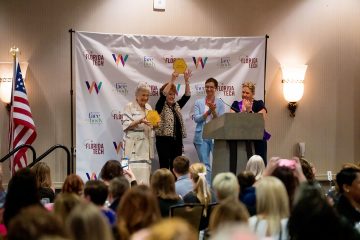
Marcy Ullom, CEO of VitaGlide, and Kimberly Agee, executive director of Downtown Melbourne Main Street, met with students to review their findings and offer feedback.
In Sekar’s https://news.fit.edu/wp-content/uploads/2013/11/dr_wiggenhorn1-1.jpg principles course, students developed comprehensive https://news.fit.edu/wp-content/uploads/2013/11/dr_wiggenhorn1-1.jpg plans for VitaGlide. The project required students to analyze the company’s business environment, identify target markets, craft positioning strategies, propose actionable recommendations to support the company’s growth and present their ideas directly to Ullom.
Her visit gave students the chance to receive critiques and guidance from a company CEO, mirroring professional practice. Ullom told the class that several of their ideas would be incorporated into VitaGlide’s 2026 https://news.fit.edu/wp-content/uploads/2013/11/dr_wiggenhorn1-1.jpg plan.
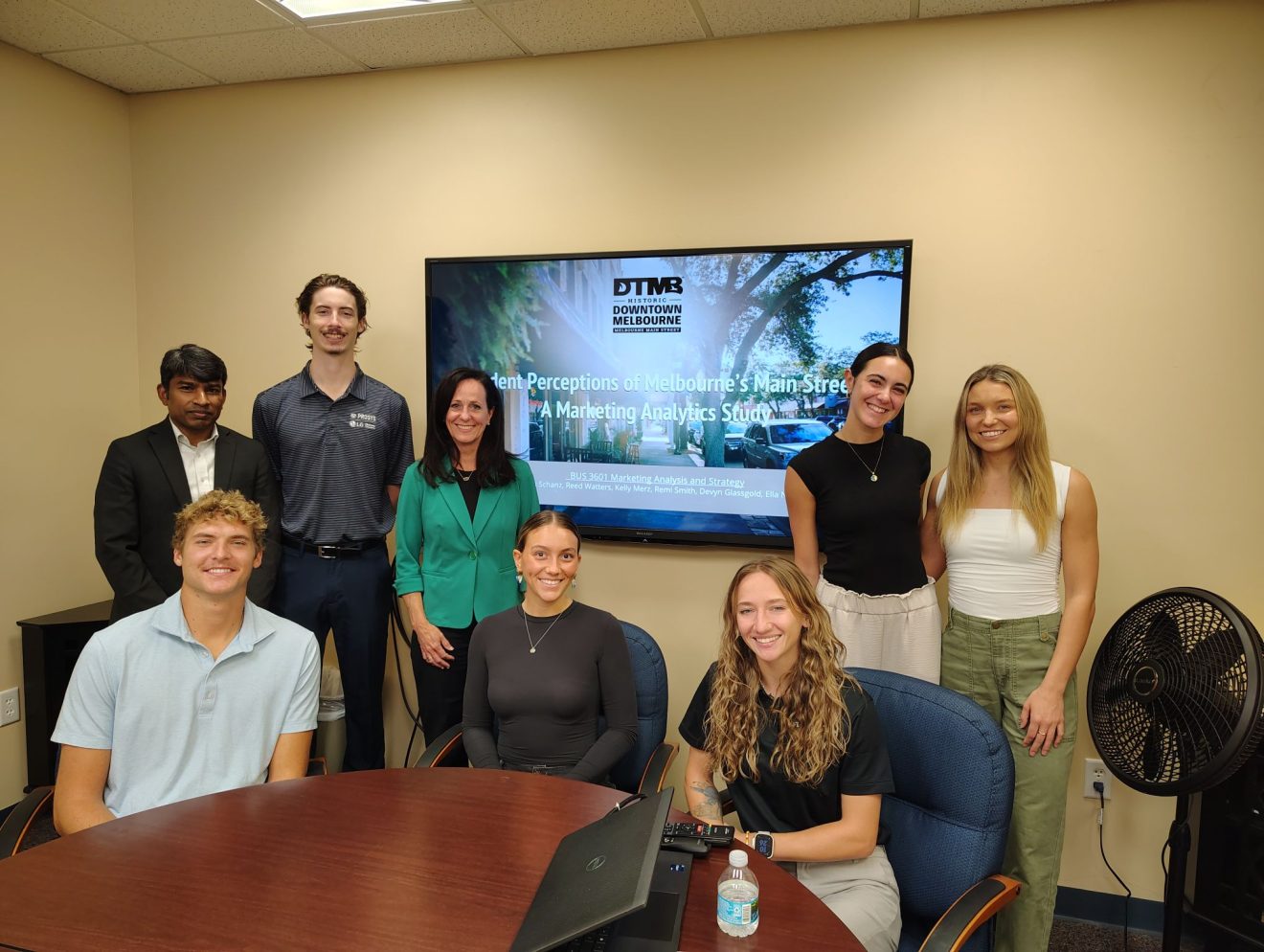
A group of students in Sekar’s https://news.fit.edu/wp-content/uploads/2013/11/dr_wiggenhorn1-1.jpg analysis and strategy course—Devyn Glassgold, Kelly Merz, Ella Niles, Lucas Schanz, Remingtyn Smith and Reed Watters—conducted a research project examining how Florida Tech students perceive Downtown Melbourne Main Street compared with Melbourne Square Mall, The Avenue Viera and Eau Gallie Arts District. The group designed and administered a survey; analyzed perception, preference and demographic data using cluster and discriminant analysis; developed a perceptual map; identified areas for improvement; proposed strategies to enhance community engagement and visibility; and presented their findings.
Schanz, a business administration senior, said the project’s local impact made the experience especially meaningful.
“It was super insightful, and I especially valued that we used real data collected by our class,” he said. “It’s motivating to work on something that directly impacts the success of our local area. It made the whole learning process feel incredibly relevant. I really enjoyed the hands-on experience and feel like I gained solid, practical skills from it.”
Agee attended the presentation, praised the group’s professionalism and fresh perspectives and noted that their recommendations offered actionable strategies for community engagement.
The projects gave students firsthand experience applying https://news.fit.edu/wp-content/uploads/2013/11/dr_wiggenhorn1-1.jpg concepts to real organizations and strengthened the link between classroom learning and practical application.