By Sehar Allahbachao
At Florida Tech, balance is more than just a buzzword. Students juggle rigorous academics with social activities, athletics, clubs and campus leadership. Discovering what happens outside of the classroom is just as important as what they learn inside of it. Experiences from the volleyball court to the esports arena to the stage help students build confidence, resilience and community, while shaping who they become.
To see how balance plays out day to day, we spoke with three voices from the Florida Tech community: scholar-athlete Kari Voelstad Bogen, esports director Danielle Sirekis ’25 MBA and dean of students Cat Nanney. Together, their stories reveal how a well-rounded college experience prepares students not only for the future, but also for life right now.
Balancing the Court and College

For Kari Voelstad Bogen, a computer engineering student and varsity volleyball player, college has been all about learning to manage competing priorities. Originally a marketing major, Voelstad Bogen discovered her passion for engineering after being recruited to play volleyball. The transition was difficult, but with the support of professors, tutors and teammates, she found her footing and even added a minor in business administration.
Balancing intense practices, heavy coursework and tournament travel taught her the importance of time management.
“Being a student-athlete is already demanding, but with such a rigorous major, I had to work hard to develop and improve my time-management skills,” she explains.
Careful planning helped her stay on top of academics while giving her the energy to compete at a high level. She points to a time when finals coincided with a regional tournament as a turning point:
“It forced me to be flexible and efficient, and I know that will help me in my future career.”
For Voelstad Bogen, balance has become not just a skill, but a way of life.
From Competition to Community

Danielle Sirekis sees video games as much more than entertainment. For her, they are a powerful way for students to practice teamwork, leadership and accountability in real time. When she joined the Florida Tech esports program, Sirekis worked to raise academic expectations and build a program that supports students beyond competition.
She highlights how the pace of esports sharpens essential skills.
“When the students compete, they don’t have a lot of time to call out their positions or opponents,” she explains. “They have to give concise and effective direction, which teaches them that they need to provide clear communication, something that students do not often join our program with the ability to do.”
Collaboration with the university’s School of Behavior Analysis strengthens this emphasis on quick decision-making, pairing specialists with athletes to refine how they coordinate under pressure. The exchange is invaluable, Sirekis says, because it not only improves performance in matches, but also gives students skills they will carry forward.
She is especially passionate about making sure there is a place for everyone in esports.
“Esports is for everyone, and you’re good enough,” she says.
Passion should guide involvement, Sirekis stresses, and she points to inspiring female leaders in the industry as mentors for the next generation. Her advice to students is simple: If your school does not have a team, find a teacher who will help you start one.
For Sirekis, the real value of esports is seeing students discover passions they never expected, from coaching to event management.
“I think having esports on your résumé is a unique opportunity that would create a great conversation starter during an interview and throughout a professional career,” she says.
A Dean’s Guide to Student Success
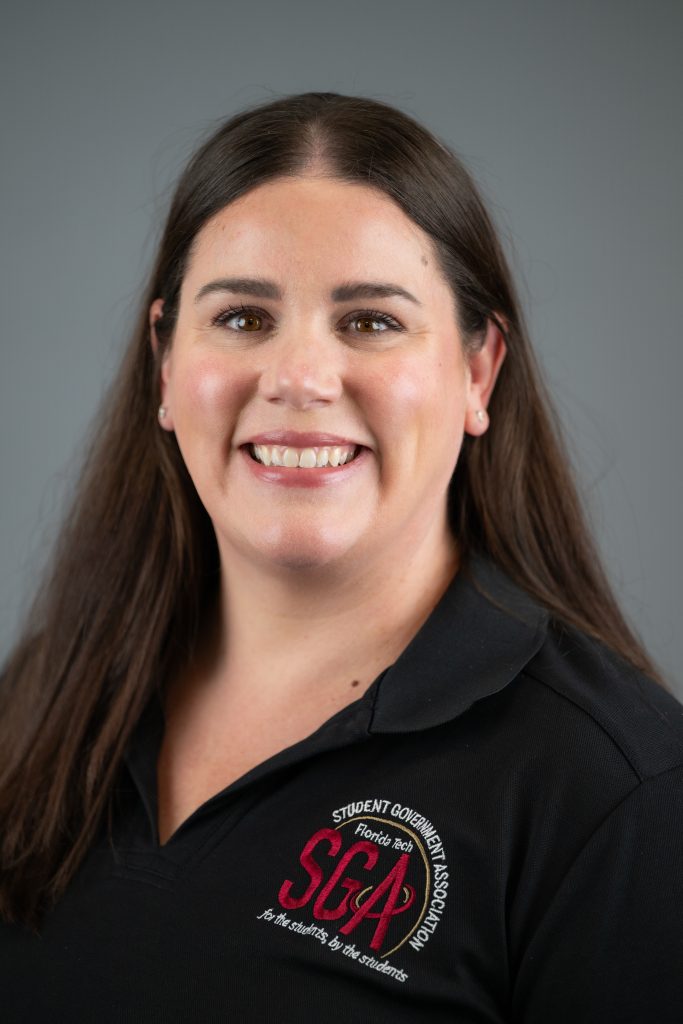
For Cat Nanney, balance is the key to growth.
“Absolutely no question, the students inspired me to take on the role of dean of students,” Nanney says.
She sees college as more than academics. It is also a place where students test their leadership, build confidence and discover strengths they did not know they had.
Her office works closely with the Office of Career Services, but Nanney believes leadership and soft skills are what truly set students apart.
“We focus on the leadership and soft skills that complement Career Services’ technical preparation,” she explains. “That gives students a more well-rounded foundation for success.“
“Absolutely no question, the students inspired me to take on the role of dean of students.”
Cat Nanney, dean of students
Those skills come alive through student life. Leading a club, planning an event or managing a budget helps students practice communication, teamwork and adaptability in ways that interviews cannot teach. Employers notice, too, often viewing campus leadership roles as proof of initiative and responsibility.
Nanney recalls one student who arrived shy and unsure of his ability to lead. He gradually built confidence and grew into a strong campus leader by joining student government, the American Institute of Aeronautics and Astronautics (AIAA) and the university’s Orientation team. Coaching in leadership and conflict management helped him secure internships that eventually launched him into a full-time role at NASA.
Stories like this, Nanney says, show how balance between academics and involvement prepares students for success well beyond college.
Finding Balance, Building Futures
At its core, college is about more than grades or résumés: It is about exploration growth, and balance. Whether it’s through volleyball, esports, student life or another passion, what students do outside of the classroom is just as important as what they study inside of it.
The message is simple: Say yes to opportunities; embrace the activities that excite you; and do not be afraid to try something new. Balance does not mean doing everything—it means discovering what makes you thrive.

This piece was featured in the fall/winter 2025 edition of Reinvented Magazine.