“Native prairie” may not be what comes to mind when considering many Brevard County neighborhoods with their asphalt and concrete and dearth of energy-absorbing flora.
Neighborhoods such as the one around Stone Magnet Middle School just east of Florida Tech are likely what experts call urban heat islands, where an abundance of buildings and pavement contributes to higher temperatures than those found in more rural areas rich with trees, plants and other energy-absorbing elements.
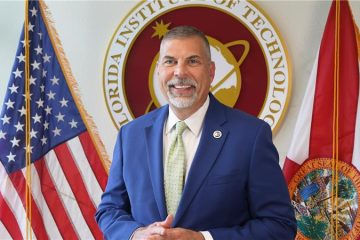
A $900,000 federal grant awarded to a multidisciplinary Florida Tech faculty team led by principal investigator Steven Lazarus seeks to enhance the resilience of the underserved community around the middle school in responding to climate challenges including heat stress, extreme weather and local flooding.
The university is partnering with the U.S. Department of Energy’s Argonne National Laboratory and the Melbourne-based urban agriculture nonprofit Little Growers to carry out Space Coast RESCUE (Resilience Solutions for Climate, Urbanization and Environment).
The project’s co-principal investigators are faculty members Emily Ralston, Pallav Ray, Hamid Najafi and Troy Nguyen.
“We are really excited about the funding that is coming out of the Department of Energy to do this work with Florida Tech and collaborate on solutions for our community,” Little Growers founder and executive director Camille Hadley told Terri Wright on WFIT 89.5’s Coastal Connection program in February.
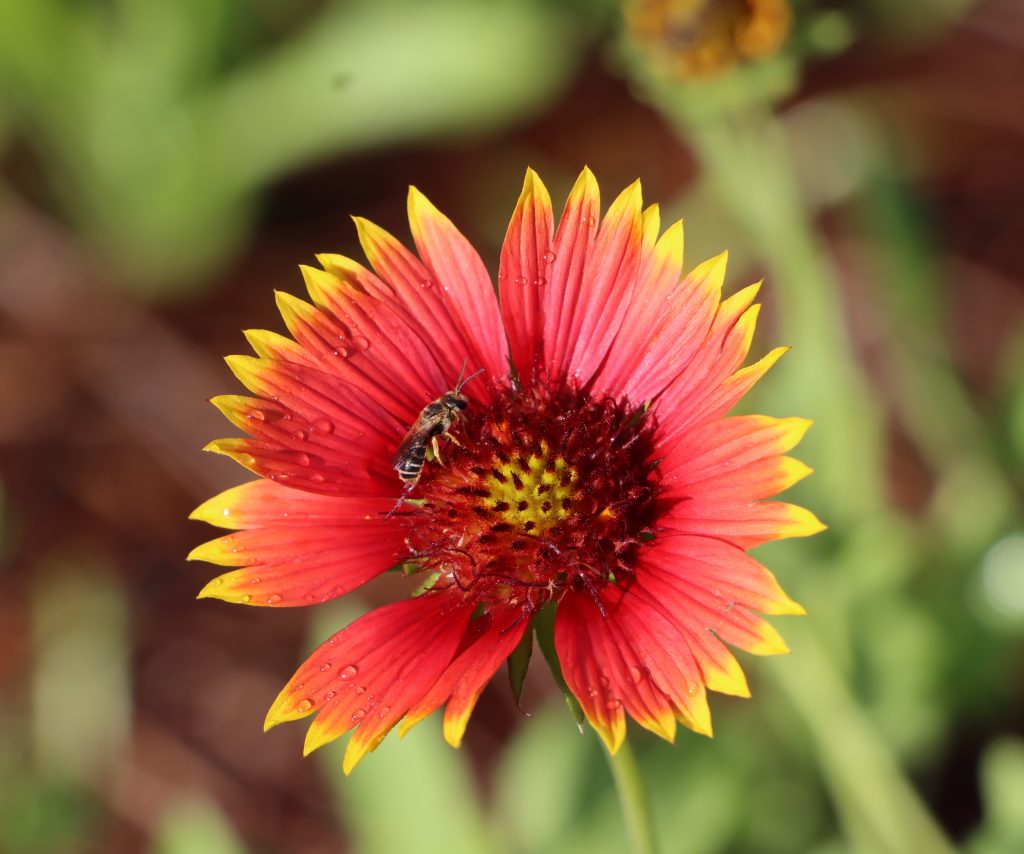
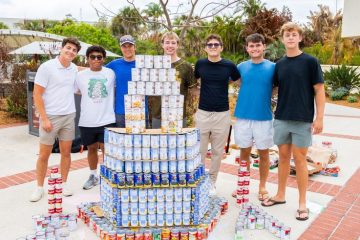
That is why 33 volunteers from Florida Tech and Little Growers spent three hours in the early August sun creating a native Florida prairie at Stone Middle filled with 200 plants that will help reduce flooding and attract critical pollinators such as bees, moths and butterflies.
Additionally, the garden will be incorporated into classroom science and art projects for both Stone Middle students and Little Growers gardeners, Ralston said, such as having students help create steppingstones and signage for the garden.
Florida Tech volunteers included faculty members Lazarus, Ralston, Mike Splitt and Nicholas Velasquez (and his family), students Dylan Eggers, Sam Pringle, Alexandra Dixon, Marcus Cote and Sankha Subhra Maitra, staff member Abe Stephens, alumna April May Sullins and former university employee Alex Colfer.
The native prairie and related activities are just a part of the multifaceted efforts funded by the grant. In a citizen science component, Florida Tech installed a rain gauge and weather station at Stone Middle and 10 others in the neighborhood, with homeowners collecting the rain amounts and entering the information into a meteorology network.
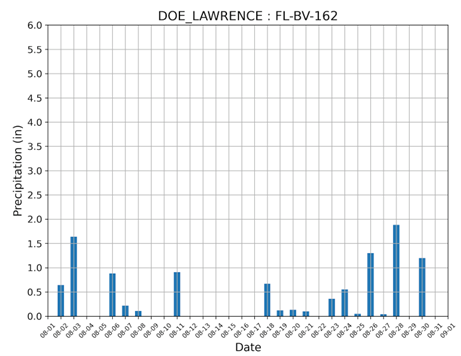
With data like rainfall amounts, students can make better connections between their local environment and the health of the Indian River Lagoon, for example. And they will use the meteorological data to track the microclimate impact of the plants and the relationship between building energy and urban heat islands.
This data gathering is important for the record, but it is also a powerful way to boost the agency of neighborhood residents, Lazarus said.
“This involves the community ultimately in the planning and the decision making and identifies problem areas within the community in a more official, systematic way, rather than people just calling the city and complaining that the pipes are broken or not draining well,” he said.